Training & Courses
Building capacity in bioinformatics and genomics
Training Services at NUBRI
NUBRI offers specialized training services aimed at empowering researchers, students, and professionals in the fields of biomedical science and bioinformatics. These programs are conducted by NUBRI's expert staff and in collaboration with internationally recognized institutions.
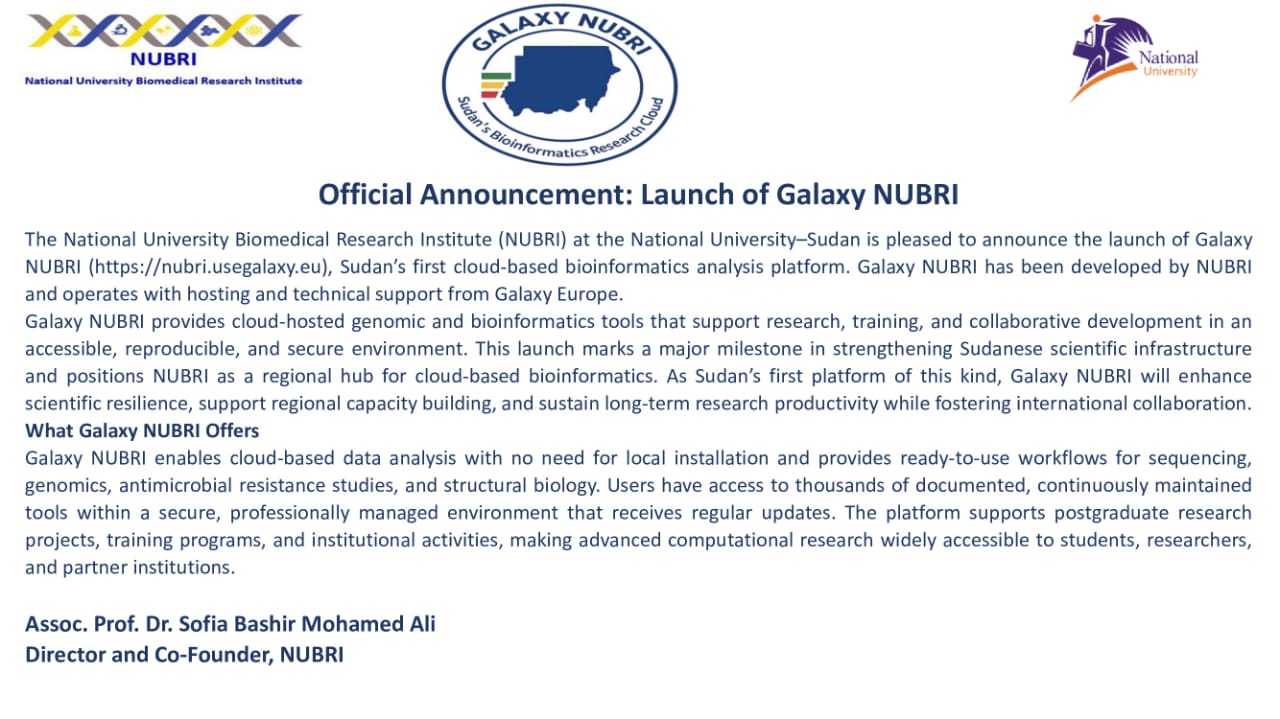
🚀 Galaxy Training Program – Official Kickoff
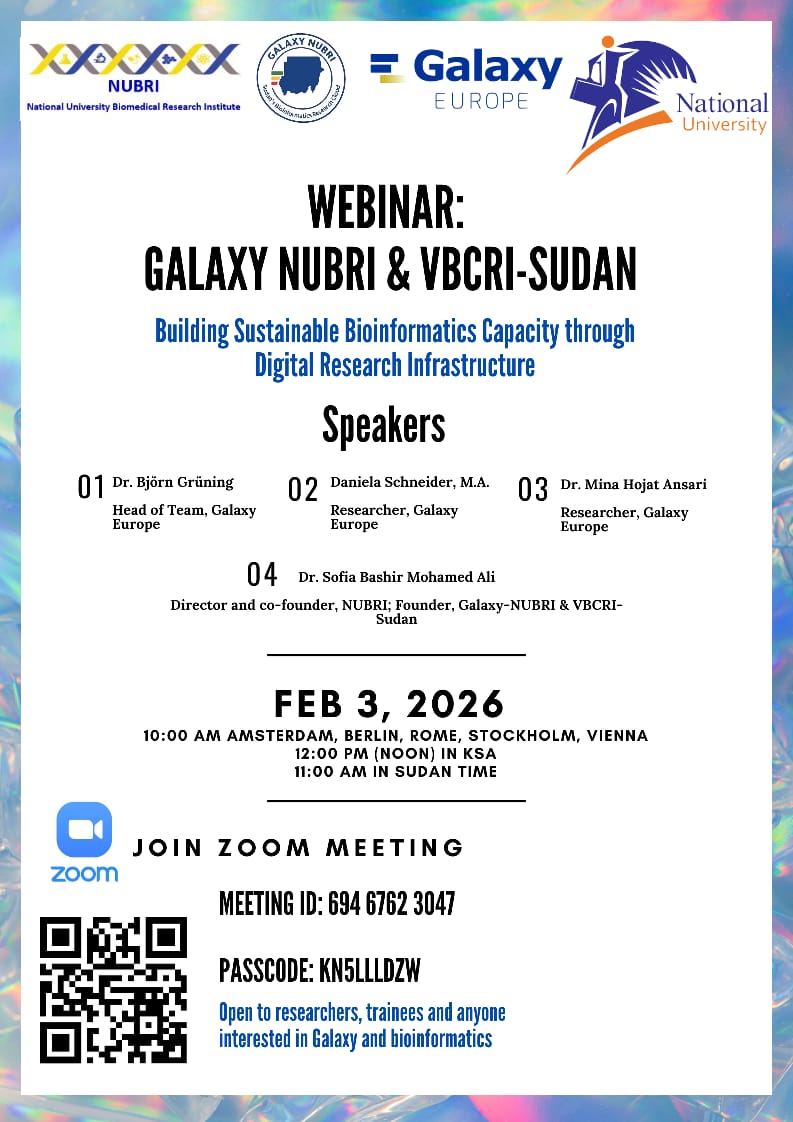
We are pleased to announce the official start of our Galaxy Training Program, with 15 selected bioinformaticians beginning their practical bioinformatics training using the Galaxy Project.
This program is supported through the European Galaxy community (Galaxy Europe), which provides open-access training resources and continuous support for global bioinformatics capacity building.
🔹 Phase 1: Getting Started with Galaxy
📅 8 February – 30 March (Ongoing)
- Understand the fundamentals of Galaxy and reproducible bioinformatics analyses
- Learn how to manage data, run tools, and build workflows
- Explore Galaxy training resources and community practices
🔹 Phase 2: Scientific Fields & Methodologies
📅 Expected: April – May 2026
- Apply Galaxy to key scientific fields such as genome annotation, microbiome, and phylogenetics
- Gain hands-on experience in genome assembly, sequence analysis, and variant analysis
- Strengthen practical bioinformatics skills through applied workflows
🔹 Phase 3: Antimicrobial Resistance (AMR)
📅 Expected: June 2026
- Detect AMR genes in bacterial genomes using Galaxy-based workflows
- Understand genomic approaches to antimicrobial resistance research
- Prepare participants for real-world AMR bioinformatics projects
📌 The program follows a structured progression from Phase 1 to Phase 3 to ensure effective learning and skill development.
Best of luck to all participants on this exciting learning journey.
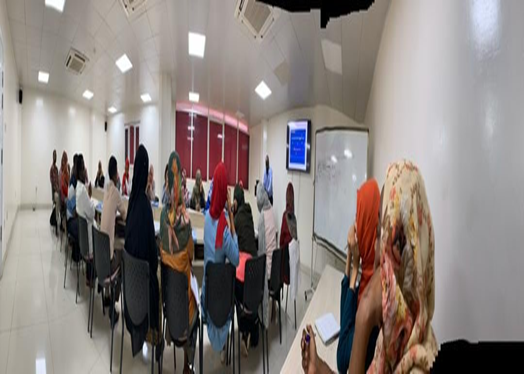
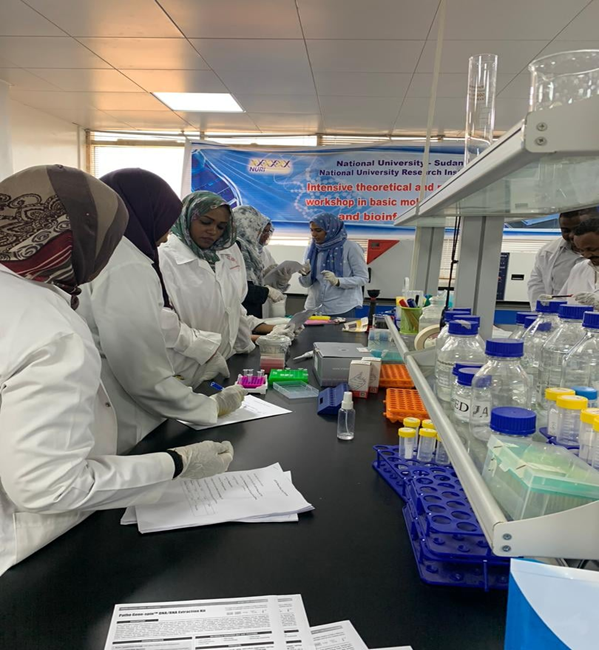
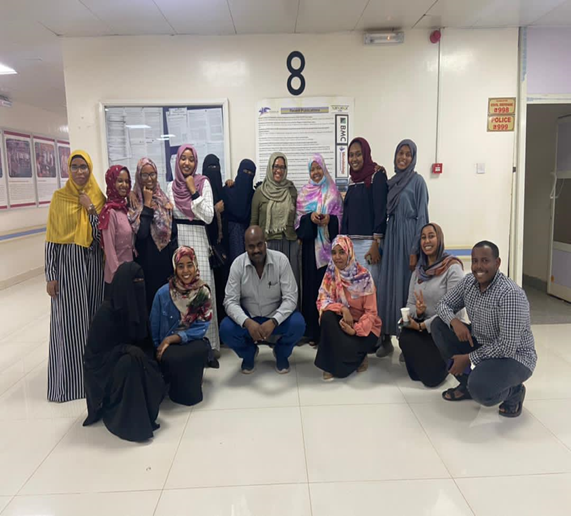
Workshops Conducted On-Site at NUBRI (2017–2023)
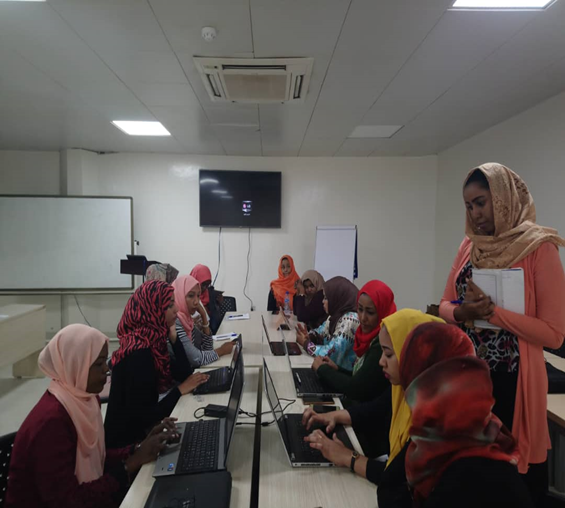
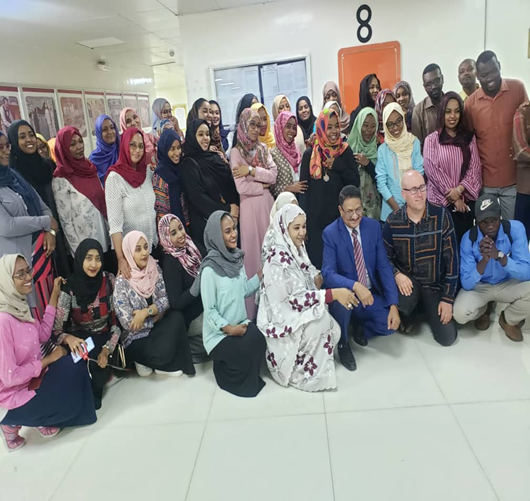
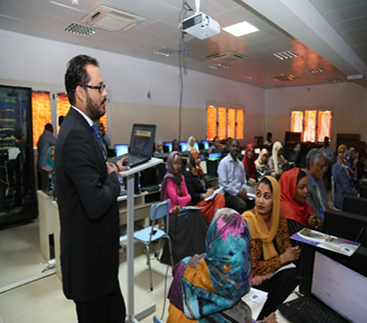
NUBRI has hosted a series of intensive on-site workshops aimed at strengthening practical skills in statistics, research methods, and molecular biology for students, clinicians, and researchers.
- R Statistics Workshop – January & September 2017 Trained 50 participants across two workshops
- Basic Bioinformatics: Theory and Practical – January 2017 Trained 25 participants
- Research Methodology Workshop – February 2017 Trained 25 participants
- Basic Molecular Biology and Bioinformatics – October 2017 Trained 25 participants
- qPCR and Molecular Diagnostics Applications – 2019 Trained 30 participants
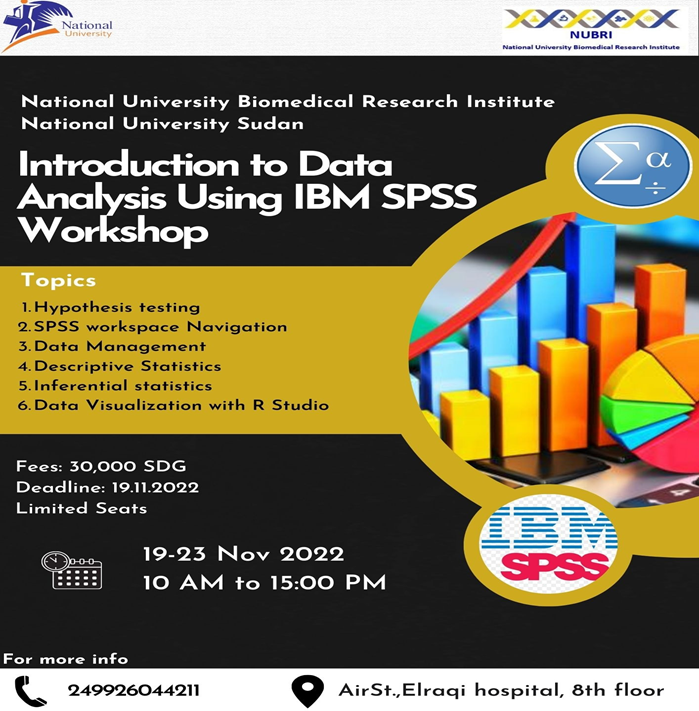
- Biostatistics Using SPSS – 2019 Trained 25 participants
- Basic Molecular Biology: Theory and Practical – January 2021 Trained 35 participants
International Collaborative Workshops (2017–2023)
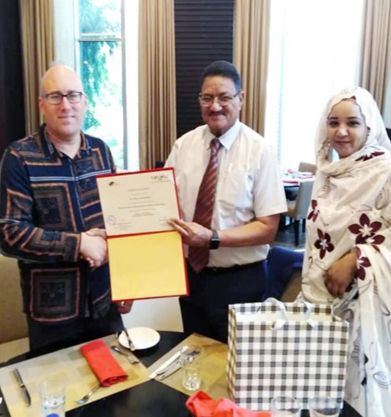
Through strategic international partnerships, NUBRI co-organizes specialized workshops that bring global expertise to Sudan and provide regional opportunities for advanced training.
In collaboration with BDG LifeSciences, India
Bioinformatics & Drug Discovery Workshop – April 2018 (NUBRI)
Trained 25 participants
In collaboration with the University of Heidelberg (Germany), DAAD, and the German Federal Ministry of Health
Scientific Writing Workshop – November 2018 (NUBRI)
Trained 25 participants
Neglected Tropical Diseases Workshop – November 2018 (NUBRI)
Trained 25 participants
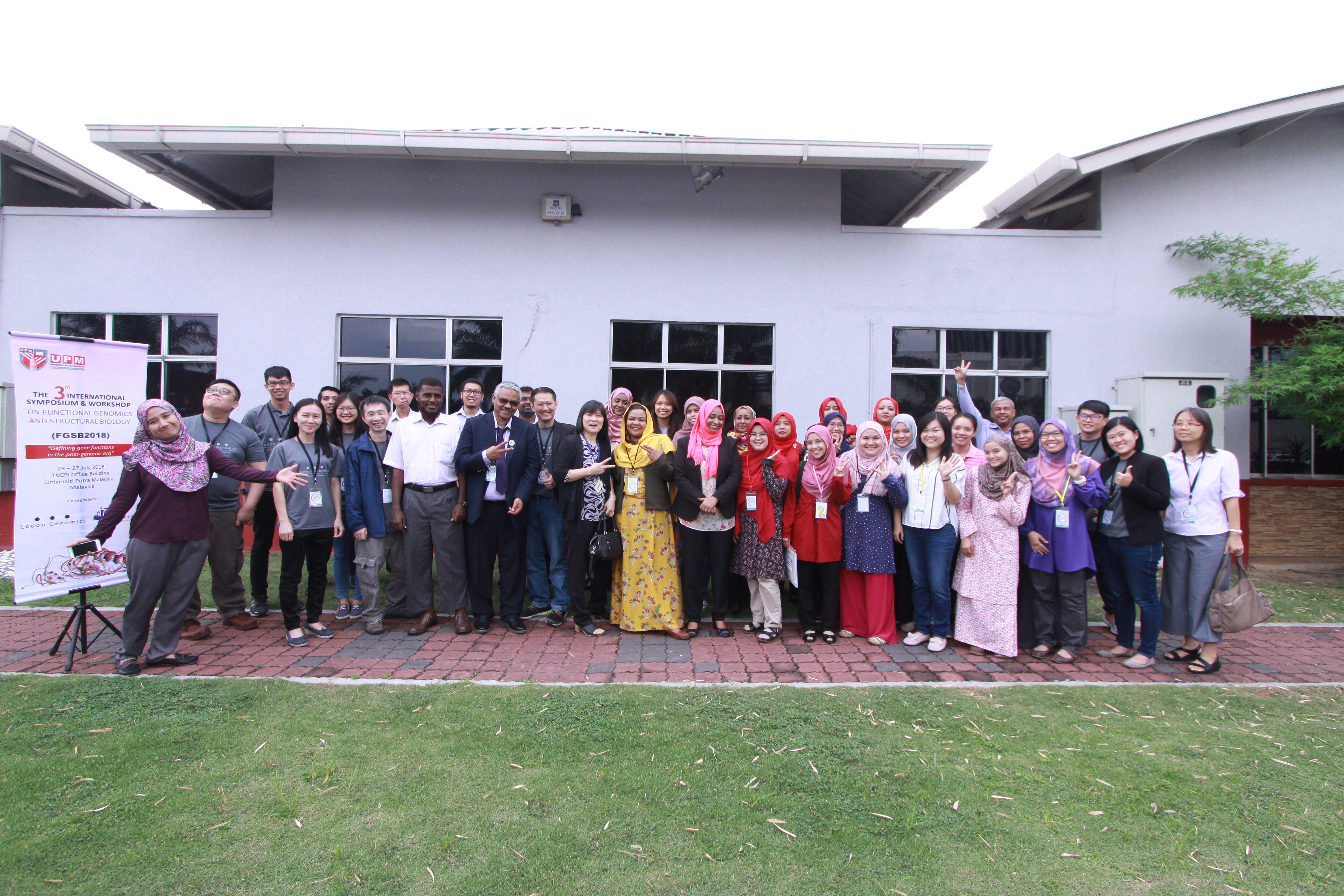
In collaboration with Universiti Putra Malaysia (UPM)
FGSB 2018 – Functional Genomics & Structural Biology (23–27 July 2018, Malaysia)
Trained 7 participants
FGSB 2022 – Functional Genomics & Structural Biology (28 November–2 December 2022, Malaysia)
Trained 8 participants
In collaboration with SANBI (South Africa)
NGS Data Analysis Using Galaxy – October 2019 (NUBRI)
Trained 45 participants
Microbial Genomics in Practice – December 2019 (NUBRI)
Trained 45 participants
Microbial Genomics into Practice: Methods & Techniques – December 2019 (NUBRI)
Trained 20 participants
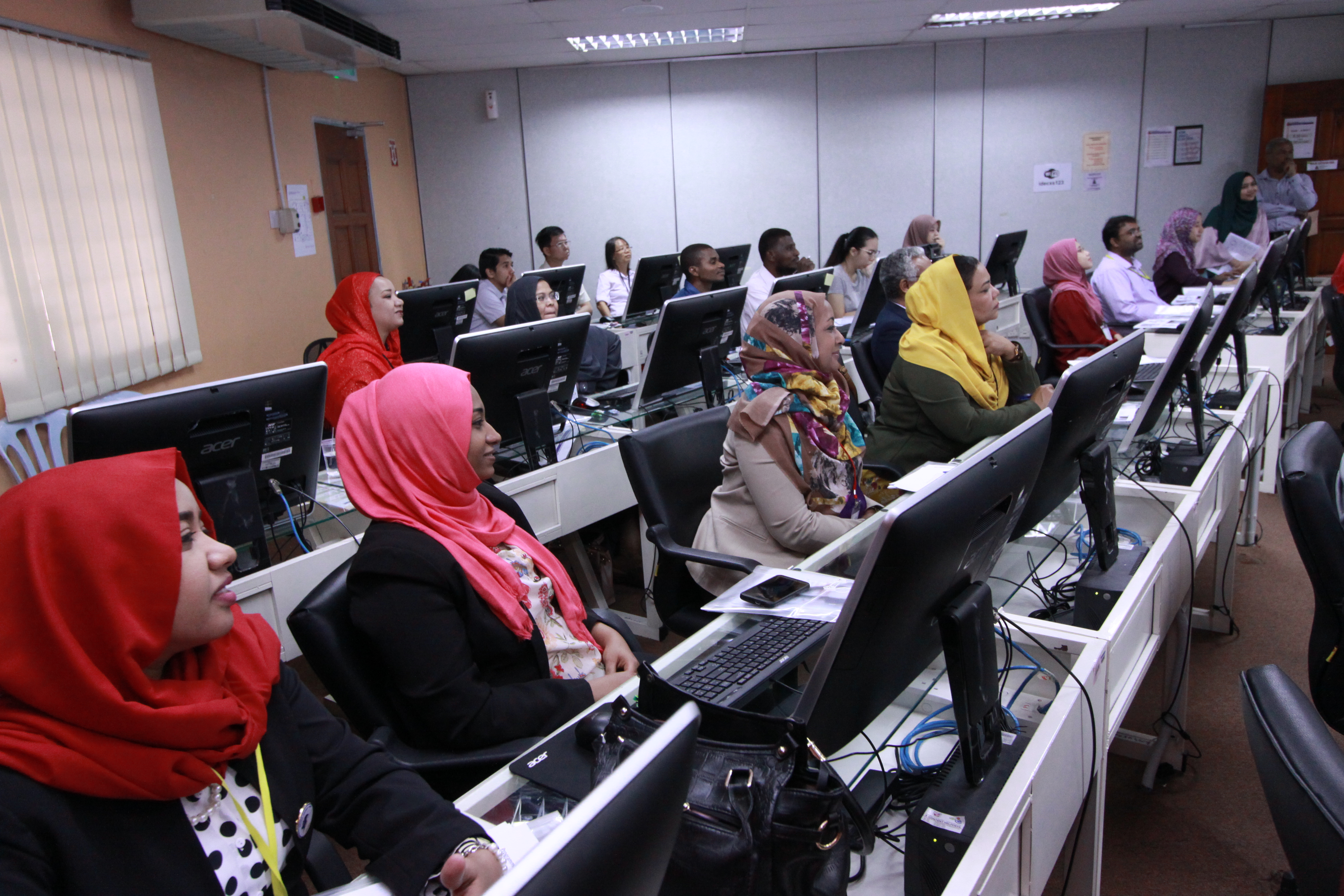
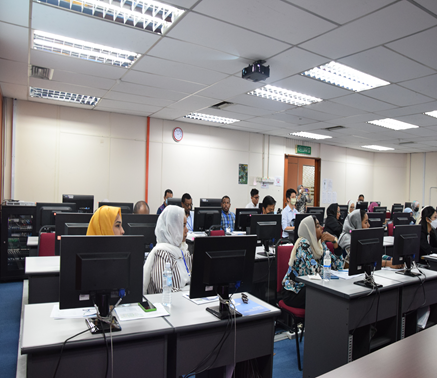
H3ABioNet & Wellcome Genome Campus Online Programs (2017–2023)
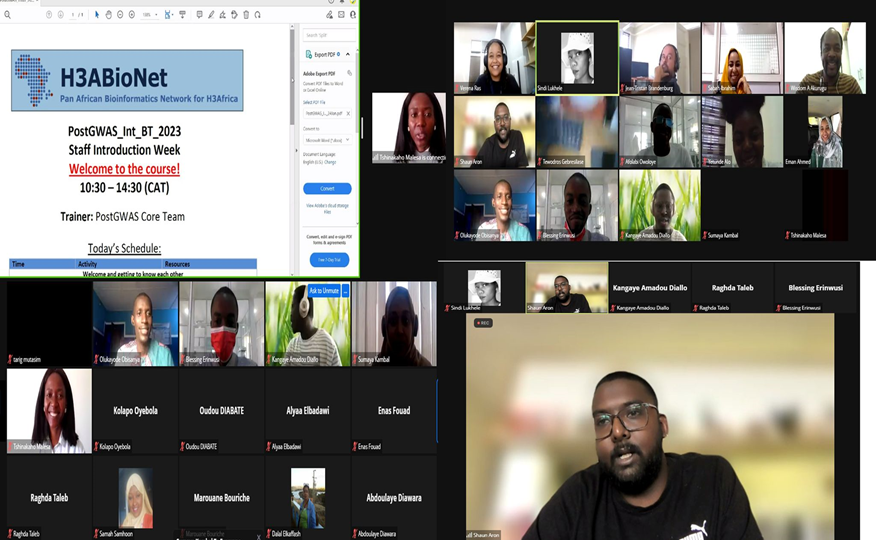
NUBRI has served as a local training node for continental online programs in collaboration with H3ABioNet and the Wellcome Genome Campus, delivering high-quality virtual education in computational biology to African researchers.
- Introduction to Bioinformatics Training (IBT) – Five editions (2018–2022) A 3-month foundational program covering essential bioinformatics tools, databases, and online resources, with interactive group discussions. Trained 220 participants.
- African Genomic Medicine Training (AGMT) – Four editions (2018, 2019, 2022, 2023) Focused on integrating genomics into clinical and public health practice. Trained 80 participants.
- 16S rRNA Intermediate Bioinformatics Training (Int_BT) – August–October 2019 Hands-on training in microbiome analysis and taxonomic profiling using 16S rRNA data. Trained 15 participants.
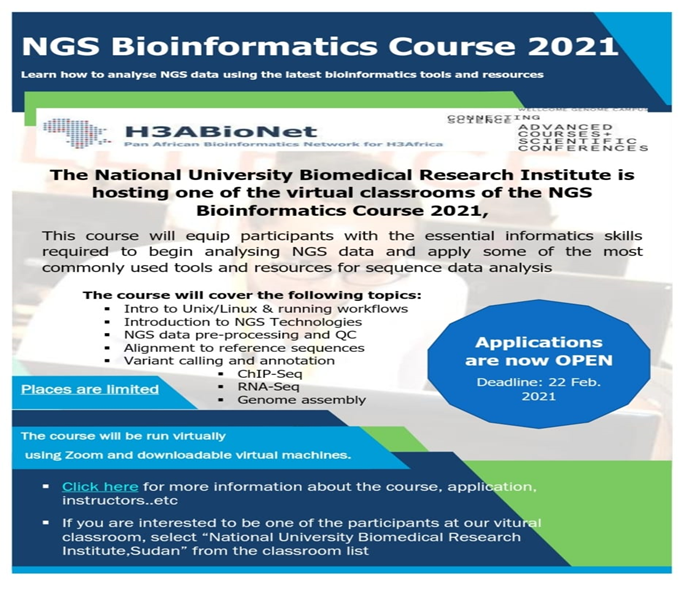
- Next-Generation Sequencing (NGS) Bioinformatics Course – April–June 2021 A 3-month intensive course covering sequence analysis, alignment, variant calling, and interpretation of NGS data. Trained 20 participants.