Empowering science for a healthier future

Back to Staff

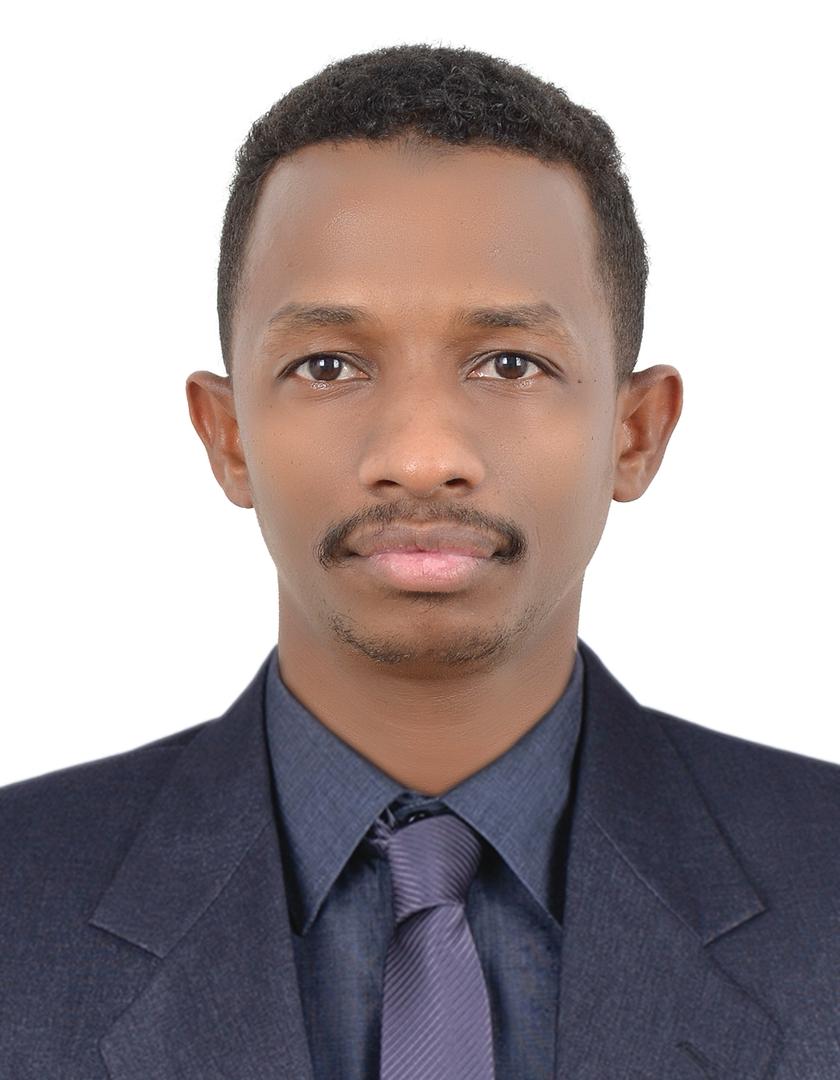
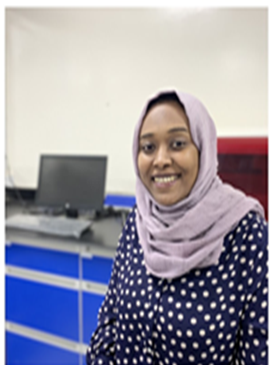
Ms. Sumaya Kambal

Researcher – Bioinformatics and Biostatistics Unit

Ms. Sumaya Kambal

Position

Researcher – Bioinformatics and Biostatistics Unit

Google Scholar Profile
Share Profile:

Biography

Biography: Ms. Sumaya Kambal is a PhD candidate and Graduate Research Fellow at the International Livestock Research Institute (ILRI) in Ethiopia (2022-2026). She specializes in whole-genome sequencing (WGS) data analysis, high-performance computing (HPC) for genomics, population genetics, evolutionary analysis, and scientific data visualization. Ms. Kambal holds a Master’s degree in Molecular Biology and a Bachelor’s degree from the Faculty of Animal Production, University of Khartoum. Her core expertise lies in genomics and population genetics, with a strong focus on applying computational approaches to uncover genetic diversity and support improvements in animal health and breeding. She is a highly motivated bioinformatics researcher with extensive experience in managing and analyzing next-generation sequencing (NGS) data. Known for her precision, organization, and collaborative mindset, she has demonstrated a strong track record in interpreting complex data, presenting research findings effectively, and mentoring others in genomic analysis. Her work significantly contributes to advancing bioinformatics research and capacity-building across Africa.

Research Interests

  • Genetic diversity and structure in livestock populations
  • Variant discovery and annotation from NGS data
  • Identification of genomic regions under selection
  • Application of bioinformatics in livestock improvement and conservation

Notable Achievements

  • Successfully conducted advanced analyses of WGS data including preprocessing, quality control, and variant calling
  • Explored population structure, genetic diversity, and selection signatures using cutting-edge population genetics tools
  • Presented research findings at multiple international conferences
  • Recipient of the ISAG Yoshi Suzuki Award for Best Student Poster at the 39th International Society for Animal Genetics (ISAG 2023) in Cape Town, South Africa
  • Recognized for providing technical guidance and mentorship in genomics research teams

Collaborations

  • Long-term research fellowship (2021–2024) with ILRI focusing on genomic analysis in livestock
  • Contributed to capacity building and cross-disciplinary genomic research projects in the African region

What Our Alumni Say

Hear from our graduates who are making a difference in research and beyond

"I Was Master’s student in Bioinformatics at NUBRI, and the experience was truly inspiring.I chose NUBRI for its vision of connecting biology with technology and shaping the future of scientific research. Throughout the program and its workshops, I gained valuable knowledge, practical skills, and the confidence to grow as researchers. I remain deeply grateful to NUBRI for its support and for providing such a rich and motivating learning environment."

Aisha Khidir

Aisha Khidir

research

Batch 1

"My academic and professional development has been profoundly enriched through my engagement with the National University Bioinformatics Research Institute (NUBRI). The institute provided an exceptional platform for the advancement of my expertise in bioinformatics, computational biology, and biomedical data analysis. During my tenure at NUBRI, I undertook specialized training and completed several certification programs that significantly strengthened my research, analytical, and computational skills. The institute’s multidisciplinary environment, combined with the mentorship of highly qualified researchers, played a pivotal role in shaping my scientific perspective and fostering my professional growth. I am honored to be associated with NUBRI and to have contributed to its ongoing mission of promoting excellence in bioinformatics and life sciences research in Sudan and beyond."

Hla Faisal Abdalla

Hla Faisal Abdalla

research

Batch 1

"At first, I didn’t know anything about bioinformatics. By chance, I heard about the MSc in Bioscience at the National University (Medicine School), and we became the first batch. It turned out to be a great opportunity for me. I learned how to map, analyse, and handle genome sequencing to identify the causes of diseases—bacteria, viruses 🦠—especially those related to my field of dentistry. I gained practical laboratory experience 🧪🧫, learning how to handle and extract DNA. We were also visited multiple times by renowned lecturers from South Africa, who showed us how fast the field of bioinformatics is growing and how reliable it is for applications such as coronavirus outbreak analysis and vaccine development. Today, I have my name on three published papers in different medical fields—something I never imagined I could achieve. My sincere thanks 🙏 to the National University and the Institute of Bioscience for this opportunity"

Abdelmagid

Abdelmagid

research

Batch 1

"Being at the top of my Master’s in Bioinformatics class was a truly transformative experience. The program not only strengthened my scientific and computational skills, but also gave me the confidence to contribute to real-world biomedical research. Despite the challenges of the pandemic and the ongoing conflict, the institute’s dedication and support made a lasting impact on my academic growth and career path."

Abubakr A.

Abubakr A.

research

Batch 2

"I am Imam Ali Al-Riyah, a former Master’s student in Bioinformatics at NUBRI, and the experience was truly inspiring. I chose NUBRI for its vision of connecting biology with technology and shaping the future of scientific research. Throughout the program and its workshops, I gained valuable knowledge, practical skills, and the confidence to grow as a researcher. I remain deeply grateful to NUBRI for its support and for providing such a rich and motivating learning environment."

Imam Ali

Imam Ali

research

Batch 2

"I am Mohamed Jaafar Mohamed, one of the graduates of the Master's program in Bioinformatics at the National University. My experience began about two years before the start of the master’s program, when the university organized the first Bioinformatics workshop using Galaxy in Sudan. The workshop was successful and inspiring in both concept and execution, attracting many participants. From that moment, the idea of bioinformatics started to grow in my mind. When the admission for the second cohort opened, I was among the first to register. After waiting for nearly a year, the study period began. Although we faced several challenges — including political unrest and revolutions that often led to the postponement of lectures due to circumstances beyond the administration’s control — the institute’s management handled these difficulties wisely. The courses were well-designed, the professors were highly qualified, and a fully equipped laboratory with modern devices was made available to students. Despite all challenges, we successfully completed the study period. Then came the stage of research publication, which became even more difficult after the outbreak of war in Sudan. However, thanks to the continuous efforts and communication between the supervisors, administrative staff, and students — each in their respective locations — we were able to complete this wonderful journey. Despite the harsh conditions, the academic and scientific benefits we gained were invaluable. The program opened many doors for us in the professional field and enhanced our competitiveness even beyond Sudan"

Mohamed Gaafar

Mohamed Gaafar

research

Batch 2

Sponsors & Collaborators

Collaborator Logo
Collaborator Logo
Collaborator Logo
Collaborator Logo
Collaborator Logo
Collaborator Logo
Collaborator Logo
Collaborator Logo
Collaborator Logo